" transform="translate(1 1)" width="4.5px"/></svg>)
Case Study
Assisted Recovery
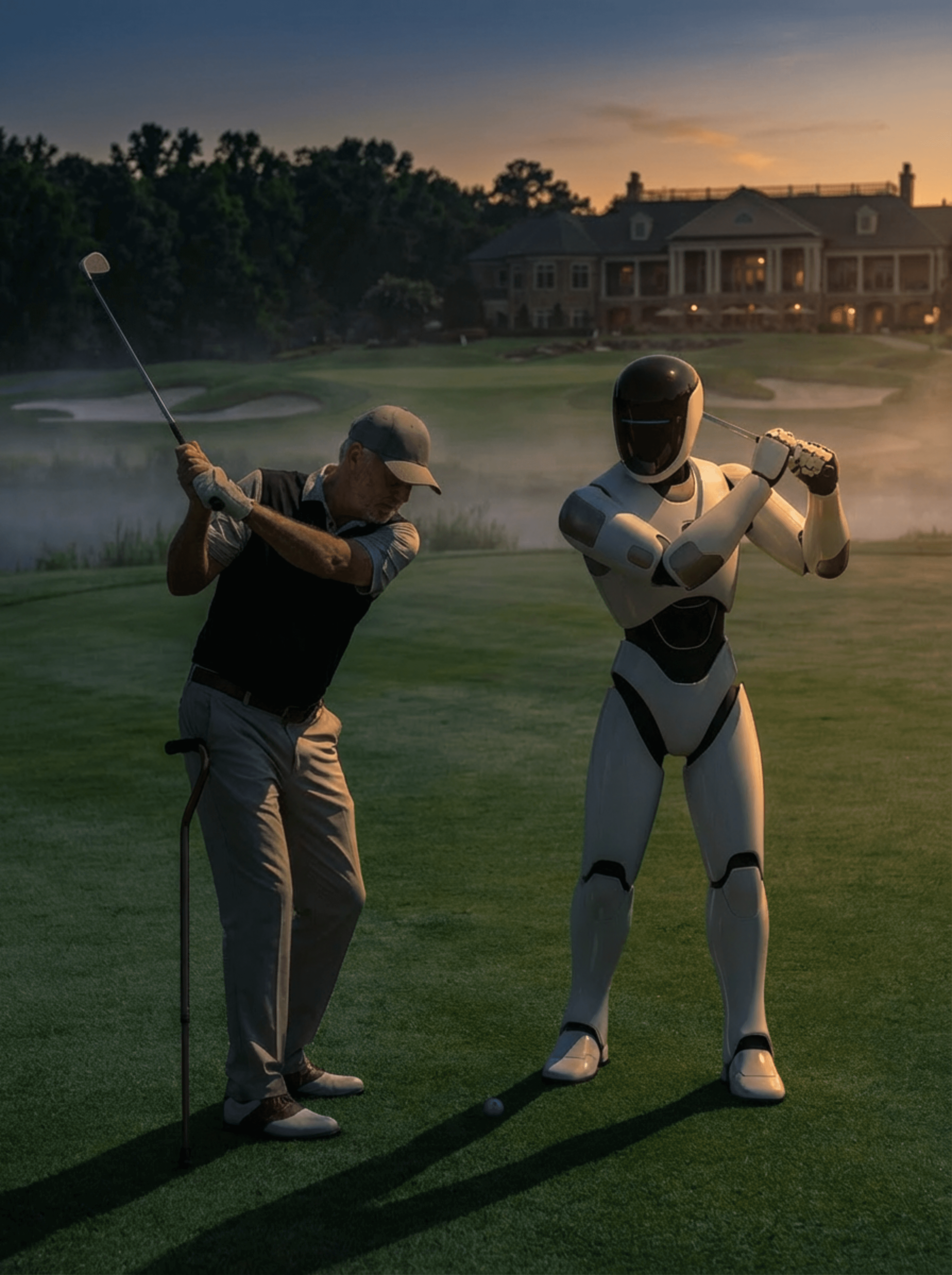
AEVA provided daily assistance to a recovering client, supporting mobility, safety, and routine tasks during early post-stroke rehabilitation.
" transform="translate(10 10)" width="12px"/><path d="M 0 6.5 L 0 0" fill="transparent" height="6.5px" id="fh7ZTGzzS" stroke-dasharray="0" stroke-linecap="butt" stroke-linejoin="miter" stroke-miterlimit="4" stroke-width="1" stroke="rgb(255, 255, 255)" transform="translate(16 0)" width="1px"/><path d="M 0 6.5 L 0 0" fill="transparent" height="6.5px" id="QFYR8kQdw" stroke-dasharray="0" stroke-linecap="butt" stroke-linejoin="miter" stroke-miterlimit="4" stroke-width="1" stroke="rgb(255, 255, 255)" transform="translate(28 13) rotate(90 0.5 3.25)" width="1px"/><path d="M 0 6.5 L 0 0" fill="transparent" height="6.5px" id="Ht4u8inT9" stroke-dasharray="0" stroke-linecap="butt" stroke-linejoin="miter" stroke-miterlimit="4" stroke-width="1" stroke="rgb(255, 255, 255)" transform="translate(3 13) rotate(90 0.5 3.25)" width="1px"/><path d="M 0 6.5 L 0 0" fill="transparent" height="6.5px" id="CJqdazkvF" stroke-dasharray="0" stroke-linecap="butt" stroke-linejoin="miter" stroke-miterlimit="4" stroke-width="1" stroke="rgb(255, 255, 255)" transform="translate(16 25)" width="1px"/></svg>)
Support During Critical Early Recovery
AEVA was deployed to assist a 60-year-old client recovering from a recent stroke, living alone in a multi-level private residence. The client required consistent support with mobility, step assistance, object retrieval, and balance stabilization — tasks that often occur unpredictably throughout the day. AEVA was assigned as a non-medical aide that complements physiotherapy and reduces daily risk.
Safe Mobility, Routine Stability, and Zero Fatigue
Across the three-week pilot period, AEVA handled routine tasks such as helping the client stand from chairs, supporting short indoor walks, preparing simple meals, and monitoring safe navigation on stairs. The robot maintained full posture control and zero drift, even on polished flooring and narrow hallways. AEVA also responded to voice commands, enabling the client to request help without needing a phone or caregiver present.
Reduced Fall Risk and Increased Independence
The client reported a noticeable increase in confidence and independence during everyday activities, with fewer fatigue incidents and no fall events recorded during the deployment. Family members noted the peace of mind that AEVA’s constant presence provided, particularly during nighttime hours. The pilot confirmed AEVA’s suitability for high-end private homes, enabling safer recovery for individuals who require consistent, fatigue-free assistance.
AEVA became a reliable part of my recovery. I felt safe moving around the house again, especially on days when balance was unpredictable.

Anonymous Client
Entrepreneur